


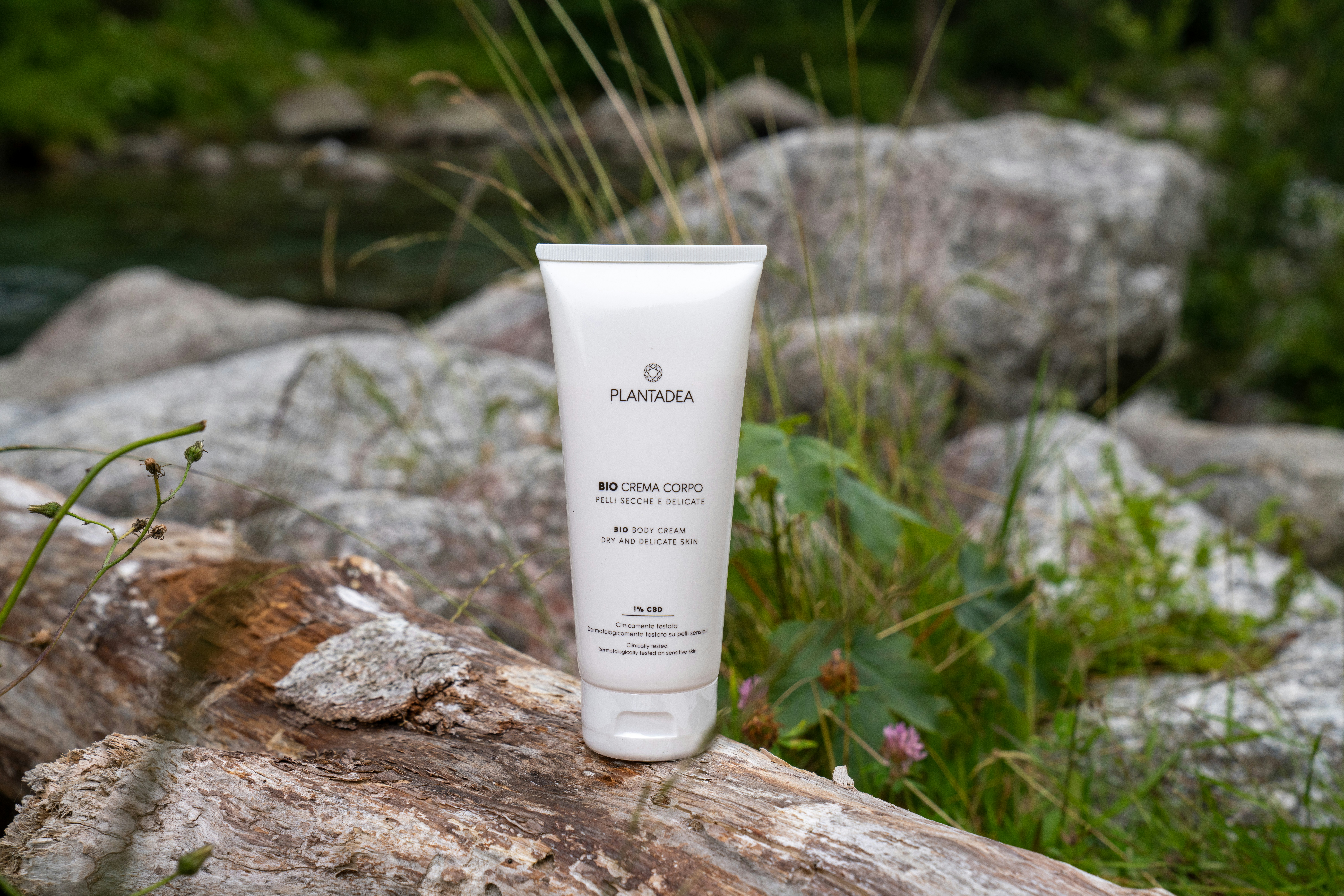
What is Cruelty-Free?
The term “cruelty-free” refers to products that have not been tested on animals at any stage of development. This concept has gained significant traction in recent years, as consumers increasingly seek ethical alternatives in beauty and personal care items. For many consumers, choosing cruelty-free products is an expression of their values, reflecting a commitment to compassion and respect for animal rights.
It is essential to differentiate between cruelty-free and vegan products, as these terms are often mistakenly used interchangeably. While cruelty-free ensures that no animal testing has occurred, vegan products go a step further by excluding all animal-derived ingredients. Thus, one can find cruelty-free products that may still contain animal ingredients, though the absence of animal testing makes them ethically better choices for many consumers.
The significance of cruelty-free practices in consumer goods, particularly within the beauty industry, has spurred the development of various standards and certifications. Organizations like Leaping Bunny and PETA provide third-party certifications to aid consumers in identifying products that adhere to cruelty-free principles. These certifications often require brands to comply with strict criteria, such as no animal testing throughout the supply chain, making it easier for consumers to make informed decisions.
When shopping for cruelty-free products, consumers should look for specific labels and certifications prominently displayed on packaging. It is advisable to research brands, as not all may be fully transparent about their testing processes. With an increasing number of consumers prioritizing ethical considerations in their purchasing decisions, understanding what constitutes cruelty-free is crucial for promoting a more compassionate marketplace.
The Importance of Cruelty-Free Choices
Choosing cruelty-free products is paramount for a multitude of reasons that extend beyond mere animal welfare. At its core, the ethical implications of animal testing raise significant concerns regarding the treatment and rights of animals. Testing cosmetics or personal care products on animals often subjects them to distressing conditions, leading to pain and suffering that many consumers are unaware of. By opting for cruelty-free alternatives, consumers actively advocate for a more compassionate approach that respects the inherent rights of these animals.
Furthermore, the adoption of cruelty-free products contributes to environmental sustainability. The process of animal testing often involves not only the use of animals but also substantial resources that can harm our ecosystem. Many cruelty-free brands emphasize sustainability in their practices, utilizing eco-friendly ingredients and processes that minimize their environmental footprint. This connection between cruelty-free practices and environmental stewardship is vital, as it promotes a holistic approach towards both animal rights and ecological health.
Health considerations are another important aspect when discussing cruelty-free choices. Products that are not tested on animals often prioritize natural and organic ingredients, which can be kinder to both our bodies and the environment. Advocates emphasize that many cruelty-free brands are also free from harmful chemicals typically found in conventional products, contributing to safer choices for consumers. According to a survey conducted by The Humane Society, 72% of respondents indicated that they prefer cruelty-free products, highlighting a growing recognition of the health benefits associated with such alternatives.
Ultimately, cruelty-free choices are integral to fostering a world that prioritizes compassion and sustainability. As awareness grows, the shift toward ethical consumerism becomes increasingly vital. This lifestyle adjustment not only protects animal rights but also promotes a healthier planet and populace. Supporting cruelty-free brands leads to significant changes that align with a moral obligation to care for all living beings.
How to Identify Cruelty-Free Products
Identifying cruelty-free products is essential for consumers committed to making ethical choices. As the demand for compassionate consumerism increases, it becomes crucial to navigate the marketplace carefully to ensure that the products we buy align with our values. One of the most straightforward methods to recognize cruelty-free items is by looking for trusted certifications and labels. The Leaping Bunny certification signifies that a product has undergone a rigorous vetting process ensuring it is free from animal testing. Similarly, PETA’s cruelty-free logo also indicates that no animal testing is conducted by the brand or its suppliers. These seals are a reliable way for consumers to identify products that adhere to high ethical standards.
In addition to labels, researching brands can significantly aid in purchasing cruelty-free products. Many companies openly communicate their testing policies on their websites. When browsing, consumers should look for a “Cruelty-Free” section or statement that outlines the company’s stance against animal testing. If purchasing online, consumers may also consider using dedicated apps and websites that track companies’ testing practices. Resources like the “Cruelty-Free” app or the “Leaping Bunny” website provide comprehensive lists of cruelty-free brands, making it easier to shop responsibly.
Another effective approach is leveraging social media and ethical consumer forums. Engaging with communities focused on cruelty-free products can provide insights and firsthand experiences regarding various brands. Moreover, many influencers advocate for cruelty-free living and can offer recommendations on products that are both ethical and effective. By combining label recognition with thorough research, consumers can empower themselves to make informed decisions and contribute to a more compassionate marketplace.
The Growing Trend of Cruelty-Free Brands
In recent years, the proliferation of cruelty-free brands has become increasingly evident, signaling a significant shift in both consumer preferences and corporate practices. This trend is largely driven by a growing awareness among consumers about the ethical implications of animal testing and a desire to support brands that align with their values. As public interest in animal welfare escalates, businesses are adapting to meet the demands of a more socially conscious audience that seeks products free from cruelty.
Consumer advocacy has played a vital role in propelling this movement, with numerous organizations working tirelessly to educate the public about the impact of their purchasing decisions. By raising awareness about the realities of animal testing, these advocates empower consumers to make informed choices, which subsequently drives demand for cruelty-free options. In return, there has been a marked increase in companies adopting compassionate practices, reflecting a broader commitment to ethical standards.
Various popular brands have emerged as leaders in the cruelty-free market, showcasing a diverse range of products that span cosmetics, personal care, and household items. Brands such as Too Faced, Urban Decay, and Lush have garnered a loyal following due to their dedication to non-animal testing methods. Additionally, numerous companies that once relied on animal testing have transitioned to cruelty-free practices. This transition not only caters to a burgeoning consumer base but also contributes positively to their brand image and market competitiveness.
As the demand for cruelty-free products continues to rise, it is evident that significant changes are occurring within the industry. By embracing more ethical practices, businesses are not just responding to consumer pressure but also helping to shape a more compassionate marketplace. The increasing availability of cruelty-free options provides hope for a future where compassion and ethical considerations take center stage in consumer choices.
